Skip to content

Subscription based billing

Subscription billing for a book that keeps moving.

Every plan, every term and every mid-cycle change on one contract model: seats prorated to the day, renewals priced from the clause, and recognition that follows the term rather than the cash.

The growth paradox

When pricing moves faster than billing.

Product ships a new plan on Monday and finance meets it on the ninth, in a spreadsheet. Rigid catalogues, slow changes and workarounds leave the team choosing between moving quickly and closing cleanly. That is not a billing problem, it is a growth ceiling, and the system meant to support the business ends up setting its speed.

$282,000

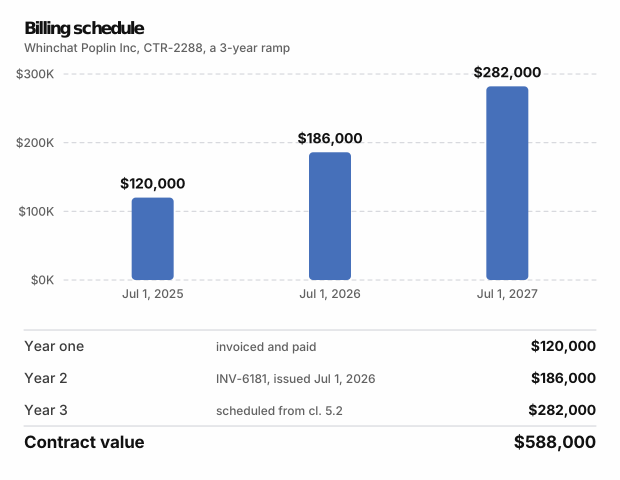
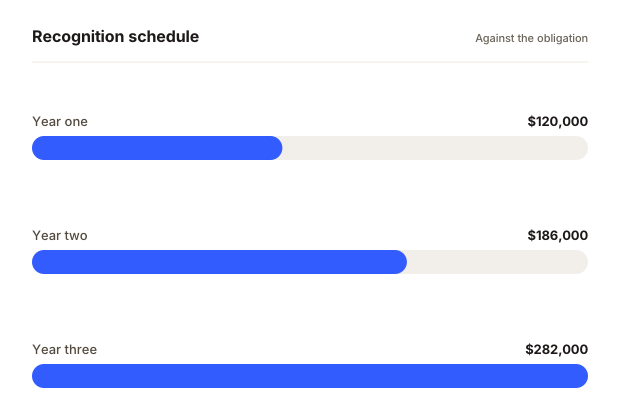
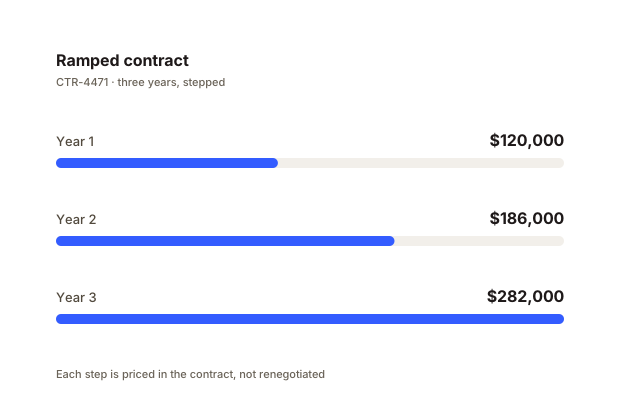
Year three of a ramped three-year contract, priced from the clause: $120,000, then $186,000, then $282,000.

What a subscription is made of

Operational efficiency, without a rebuild.

Every plan. Every term. Every change.

Catalogue

Price it without engineering

Plans, add-ons and discounts are configured, not built. Two plans or two hundred read from one model.

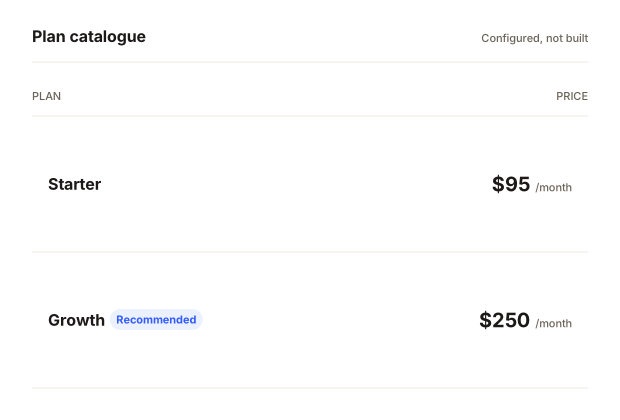
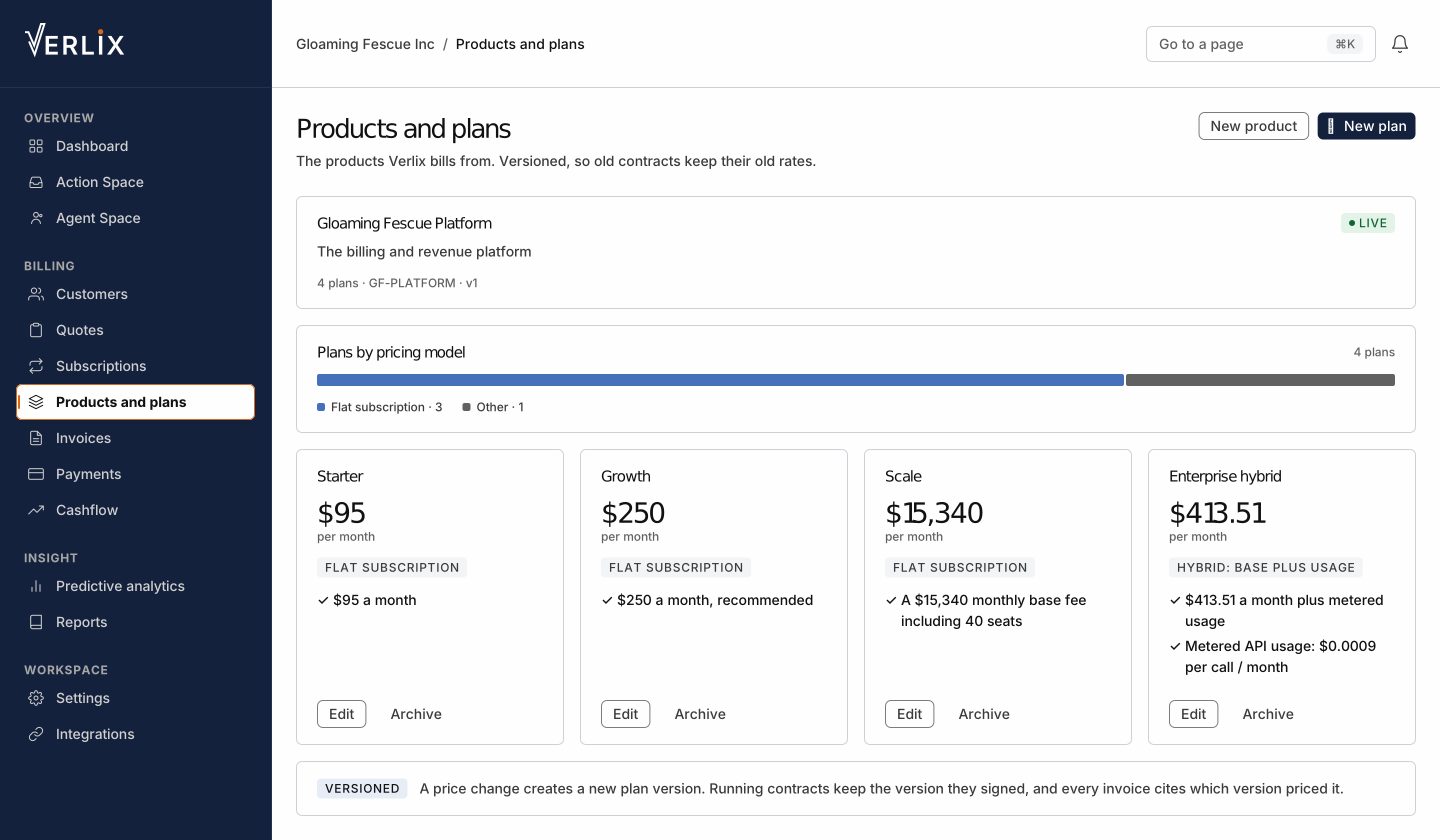
Two plans or two hundred read from one model: Starter at $95 a month, Growth at $250 a month and marked recommended.

Term

Any term you actually sell

Monthly, annual, multi-year and ramped, on one contract model. A three-year deal stepping $120,000 to $186,000 to $282,000 bills from the agreement rather than being renegotiated each year.

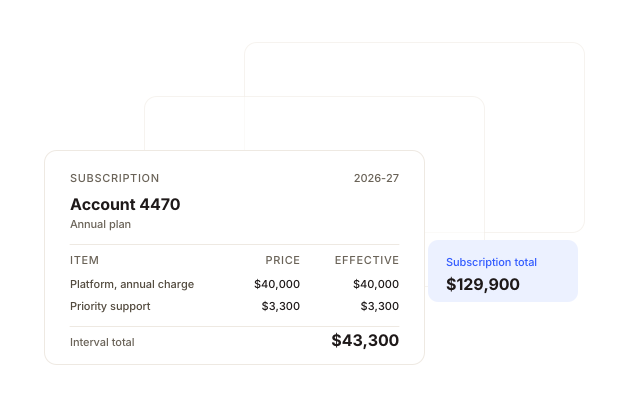
Account 4470 runs an annual term at $43,300 for the interval and $129,900 across the subscription.
Change

Change that prices itself

A seat added mid-cycle bills at both rates, to the day.

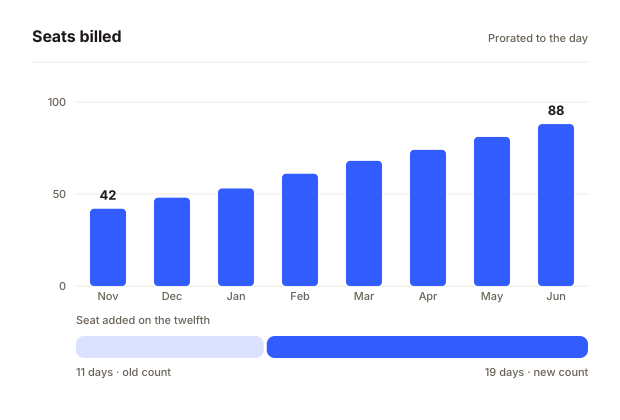
A seat added on the twelfth bills eleven days at the old count and nineteen at the new. No credit note, no journal entry, and the correction lands on the next invoice rather than the next quarter.

Uplift

A price the clause moves

Where the agreement sets an anniversary increase, the renewal prices at the new rate.

A three-year deal steps $120,000, then $186,000, then $282,000, and bills from the agreement.

The record

One subscription, one record

Term, seats, add-ons and payment method live together, and every change joins that record.

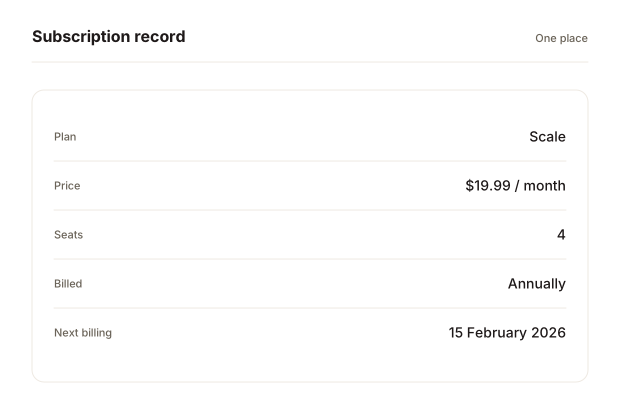
The Scale plan at $19.99 a month, four seats, billed annually, next billing 15 February 2026.

Revenue

Recognition that follows the term

Revenue recognises against the obligation rather than the invoice date, so a ramped contract spreads across the whole term and the deferred balance rolls forward on its own.

Catalogue to ledger

One contract, four systems, one record.

One contract carries the plan from the catalogue it was sold from to the entry your auditor reads.

Catalogue

Sold from the catalogue

Configured, not built.

Subscription

Held on one record

The whole subscription in one place.

Billing

Seats move, the invoice knows

Headcount rose from 42 to 88 across eight months, every change prorated to the day.

Revenue

Recognition spread across the term

A ramped deal steps $120,000, then $186,000, then $282,000, and revenue follows the obligation.

Questions finance asks first

To the day. Eleven days bill at the old rate and nineteen at the new, the difference lands on the next invoice, and no credit note is raised to correct it.

Revenue confidence starts at the contract, not the close.

Free up to $1M ARR. Every term you actually sell, on one contract model.