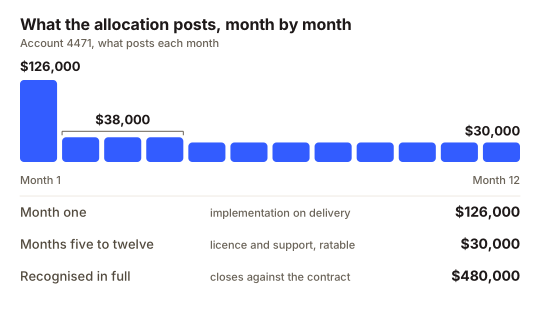
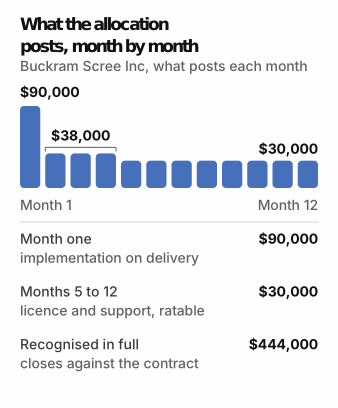
The contract's terms set the monthly schedule
Each obligation is recognised on its own method, month by month, with no workbook to rebuild.
ASC 606 revenue recognition
Performance obligations are proposed from the contract for your review, then the schedule runs without a spreadsheet.
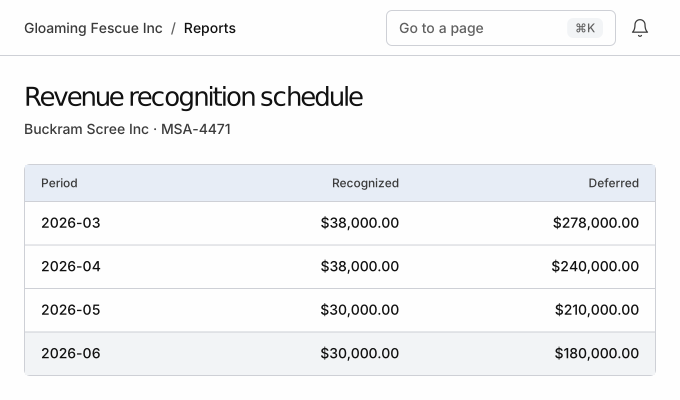
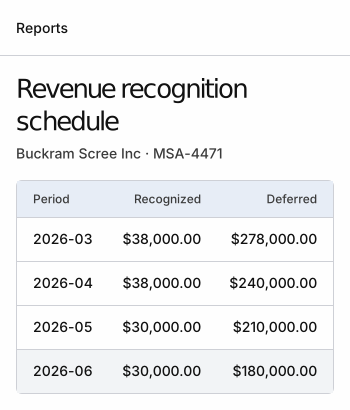
Verlix recognises the licence and support ratably, implementation on delivery and training as each session is held.
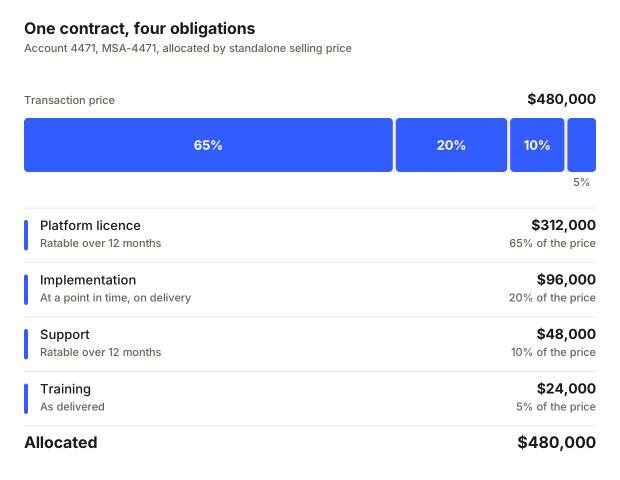
Schedules and journal entries
Each obligation is recognised on its own method, month by month, with no workbook to rebuild.
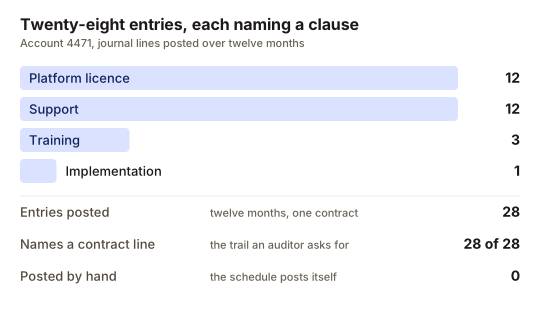
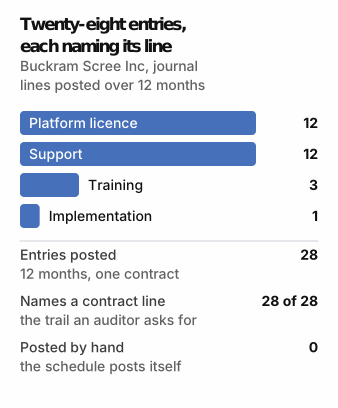
Twenty-eight journal lines over the year, each one traceable to its contract line.
Deferred revenue
Buckram Scree Inc is billed once in advance and recognised over 12 months; the gap is the deferred balance.
Cumulative, 2026 · Buckram Scree Inc
MSA-4471 · billed yearly in advance
Cumulative, 2026 · Buckram Scree Inc: held from 444K at Jan to 444K at Dec across 12 points; range 444K to 444K.
No period-end adjustment is needed to find it.
Remaining revenue
Read backwards, the schedule gives the disclosure: $278,000 left at the end of Q1, nothing at Q4.
Still to recognise at each quarter end · Buckram Scree Inc
Remaining performance obligation · ASC 606
Still to recognise at each quarter end · Buckram Scree Inc: 1 series across 4 buckets.
Q4 reads zero because the contract ends there.
Contract modifications
A $90,000 July module lifts Trunnion Sateen Inc's last 6 months to $40,000 each. Nothing already reported is restated.
Remaining obligation, re-allocated · Trunnion Sateen Inc
Prospective, from month 7
Remaining obligation, re-allocated · Trunnion Sateen Inc: opens at 300,000.00, 2 movements, closes at 240,000.00.
Verlix proposes the prospective treatment, and your controller confirms it.
Included with Growth and above.See pricingBook demo
Product
ASC 606 schedules and journal entries built from the contract, without the spreadsheet.
Product
ARR, retention and receivables reports that tie to your invoices.
Blog
Usage-based revenue is variable consideration under ASC 606.